
Furthermore, comparison of studies is limited because some of them focused on one specific trigger, such as alcohol, whereas others assessed a variety of triggers, including alcohol. In some studies, patients were provided with a list of triggers, while in others, patients self-reported triggers 124. In a systematic review of the literature published between 1958 and 2015, including 12,400 participants, 21% of patients identified alcohol as a trigger for migraine 106. Tyramine is a naturally occurring BA derived from the amino acid tyrosine. It has been proposed that migraine patients with some food sensitivity may have a genetic deficiency of the enzyme responsible for breaking down tyramine.
Why Does Drinking Give Me a Migraine Headache?
Among these, 787 were ≥18 years old who tracked ≥90 days with ≥75% adherence. Of these, 651 met the criterion for EM retrospectively, and 493 reported drinking alcohol. Another 6 individuals were excluded because they never tracked alcohol consumption. The final sample size was 487 individuals, who collectively contributed data on 43,830 diary days, of which 9578 were migraine days and 5913 were the first days of a migraine attack. Alcohol is a commonly reported trigger for migraines in many susceptible individuals. Migraine attacks can occur relatively quickly after alcohol consumption, often within 30 minutes to three hours.
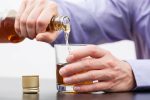
How Alcohol Influences Migraine Symptoms
Due to the inclusion of many study designs, the risk of bias was evaluated using tools adjusted to the type of study. The Joanna Briggs Institute (JBI) critical appraisal tools were used for cross-sectional, cohort and case control studies 63. According to the appropriate JBI checklist, cross-sectional studies had to be conducted on the basis of eight questions, case-controls had ten questions, while cohort studies contained 11 questions. If a cross-sectional study received seven or more positive answers, a case–control eight and a cohort study nine, ten or 11, their assessments were described as having a low risk of bias. A high risk of bias can alcohol cause migraines was reported when a cross-sectional study received five or fewer “yes” responses, a case–control fewer than six and a cohort study below seven.
Reducing alcohol intake and keeping a migraine diary can help
Furthermore, studies have shown that red wines may increase blood histamine levels to a greater extent than other AD 75. It contain significantly more than twice the concentration of BAs, including histamine, than white wines and other AD 76,77. The total amount of polyphenols in wine has been marijuana addiction estimated to range from 800 to 6000 mg/L for red wines and from 50 to 350 mg/L for white wines. These compounds are directly related to the quality of wines and are responsible for most of their antioxidant activity 55. The potential of polyphenols as free radical scavengers or antioxidants is predicted based on their chemical activity. Various mechanisms have been proposed to explain their antioxidant properties.

Is alcohol a migraine trigger?
Staying hydrated is crucial, as dehydration often occurs with heavy drinking and can worsen headaches. Nutrient replacement, either through supplements or intravenous fluids, may also be recommended by healthcare providers to support recovery. In conclusion, it is clear that quitting alcohol can, in fact, cause headaches.
The Alcohol Withdrawal Effect
However, if you do drink, be sure to do so in moderation and stay hydrated. While alcohol can cause common headaches, for individuals prone to migraines, it often triggers a full-blown migraine attack. This distinct and severe neurological event involves complex interactions between alcohol’s chemical components and the body’s systems. There were a total of 2990 embedded missing days (2990/46,820, 6.4%) resulting in 43,830 days (90 for each individual) eligible for analysis. Migraine days after the first day of attack (3665 migraine days) were removed from the models, leading to a dataset with 40,165 diary entries. A total of 32,911 complete cases including 4679 migraine attacks were analyzed.
About this article
These options typically have lower levels of congeners, which are byproducts of alcohol fermentation that can contribute to headaches. Additionally, white wines and champagnes are often better choices compared to red wines due to their lower histamine and tannin content, which are common triggers for migraines. Keeping a migraine diary can be a helpful tool for identifying personal triggers and understanding migraine patterns. A migraine diary involves recording symptoms, food and drink intake, and other potential triggers https://ecosoberhouse.com/ such as stress and hormonal changes. By identifying specific triggers, individuals can take preventative measures to minimize the occurrence and impact of migraine attacks. If you experience migraine headaches after drinking alcohol, it may be best to avoid alcohol or that certain type of alcohol.
The Role of Medication in Easing Alcohol Withdrawal Headaches
It can also cause other symptoms, such as nausea, sweating, shaking, insomnia, and anxiety. In severe cases, alcohol withdrawal can cause seizures and delirium tremens. Delirium tremens is a severe form of alcohol withdrawal that requires immediate medical attention. By being mindful of your caffeine and sugar intake, practicing good sleep hygiene, staying hydrated, and maintaining a balanced diet, you may be able to reduce the likelihood of experiencing headaches when consuming alcohol.
- The astringency from tannins is what causes the dry feeling in the mouth when consuming these beverages or eating foods high in tannins, such as unripe fruit.
- A migraine is headache with other symptoms such as sensitivity to light and sound, nausea, vomiting, aura and more.
- Even though a couple of drinks might make us feel sleepy, they actually disrupt our sleep cycle, causing poor sleep quality over the course of the night.
- Resveratrol is currently being widely researched for its anti-aging, neuroprotective, anti-inflammatory, and antioxidant properties, and for its use in medicine 60.
- It is important to remember that although alcohol in various concentrations and forms is often a socially acceptable recreational drink, it is both an intoxicating drug and an addictive substance.
Study selection
This is because prolonged alcohol consumption alters neurotransmitter levels in the brain, particularly affecting gamma-aminobutyric acid, which is commonly referred to as GABA, as well as glutamate. When alcohol intake suddenly stops, there is a sharp rebound effect, which leads to increased excitability in the brain. This change in balance between inhibitory and excitatory neurotransmitters triggers headaches. Beer also contains tannins, and people who suffer from cluster headaches are particularly sensitive to dark beers.